

Blog & Resources
Does Cold Weather Really Make Joint Pain Worse? Rochester Winters, Arthritis, and SoftWave
Does Your Knee Know a Lake Effect Storm Is Coming?
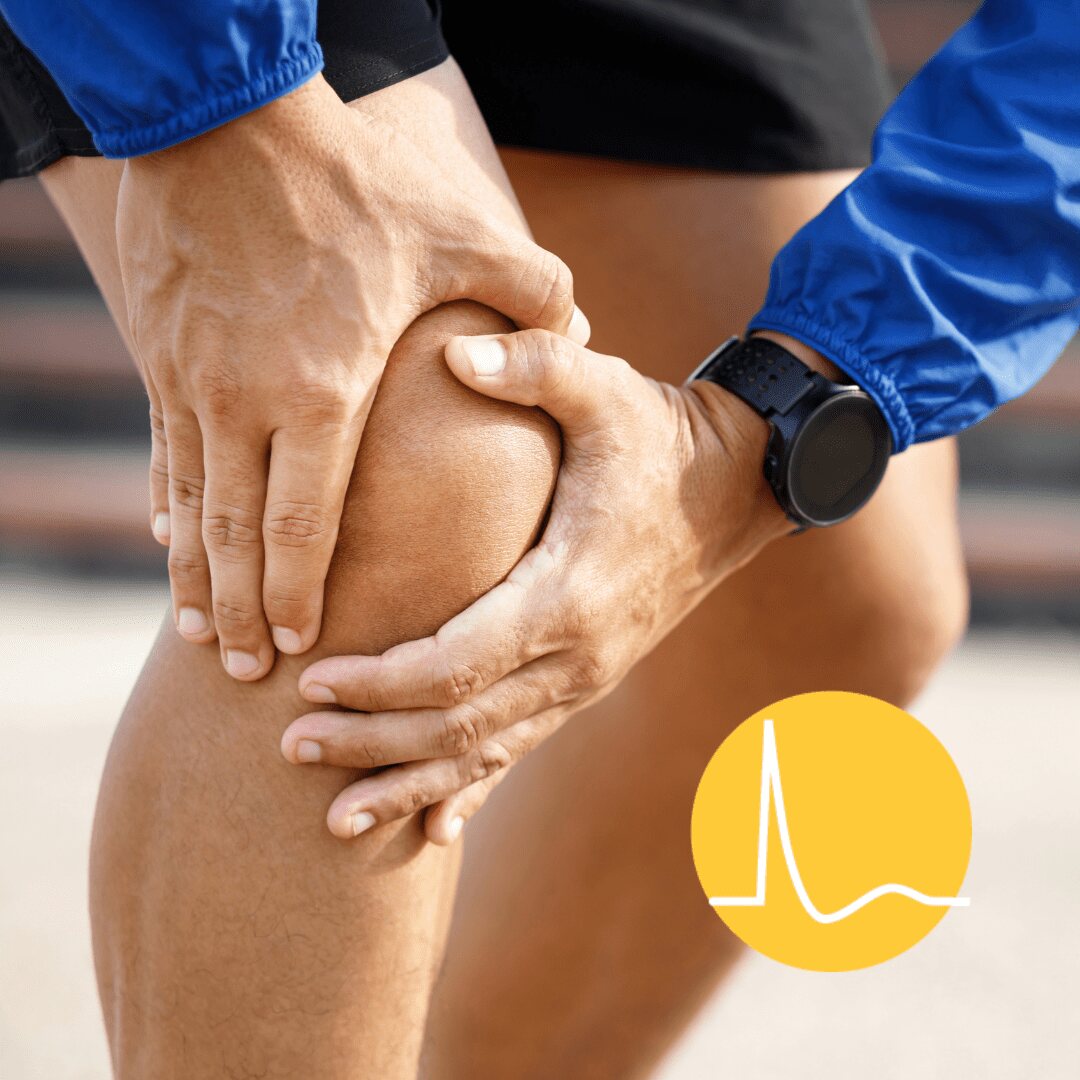
Every November, as the skies over Lake Ontario turn gray and the first real cold settles over Monroe County, we start hearing the same thing: "My knees always know when the weather is changing." Some patients say their hands stiffen up before a snowstorm. Others feel their hips and lower back ache more from December through March. Is it real, or is it in our heads?
At Camarata Chiropractic & Wellness in North Chili, Dr. Sam Camarata works with many Rochester-area patients whose arthritis seems to follow the forecast. The short answer is that the experience is very real for a lot of people, even if science is still sorting out exactly why. This article explains the leading theories, why Rochester winters can be especially tough on arthritic joints, what you can do at home, and how SoftWave Tissue Regeneration Technology may help address the joint itself rather than just the season's symptoms.
What the Research Says (and Doesn't Say)
Studies on weather and joint pain have produced mixed results. Some find a connection between pain and changes in temperature, humidity, or barometric pressure. Others find little or no link. Part of the challenge is that pain is personal, and people respond to weather differently. What is consistent is that many people with arthritis report feeling worse in cold, damp, or changing conditions, and those reports deserve to be taken seriously.
Rather than debating whether it is real, it is more useful to look at the plausible reasons it happens and what you can do about them.
Why Cold Weather May Make Joints Hurt More
Barometric Pressure Changes
Before a storm, air pressure drops. One theory is that lower outside pressure lets tissues around a joint expand slightly. In a joint that is already inflamed or has lost cartilage, that small change may be enough to irritate sensitive nerve endings.
Thicker Joint Fluid
Synovial fluid lubricates your joints. Some researchers believe it may become more viscous in the cold, so joints feel stiffer and less smooth, especially first thing in the morning.
Muscle Tension and Reduced Circulation
When we are cold, blood flow shifts toward the core and muscles tense up. Tight muscles around a joint increase compression, and less circulation to the extremities may help explain why hands, knees, and feet seem to suffer most.
Moving Less
This may be the biggest factor. Winter in Rochester means fewer walks, less yard work, and more time on the couch. Joints rely on movement to stay nourished and flexible. When activity drops, stiffness and weakness follow, and pain often increases.
Mood, Sleep, and Daylight
Shorter days and less sunshine can affect sleep and mood, and both influence how strongly we perceive pain.
Why Rochester Winters Are Especially Tough on Arthritis
Western New York gets a particular mix: long stretches of cold, frequent pressure swings as systems roll off the Great Lakes, damp air, and plenty of snow and ice. On top of that, winter brings its own physical demands, like shoveling, bracing against slippery driveways, and climbing in and out of the car in bulky coats. For someone with knee, hip, hand, or spine arthritis, all of that adds up.
What Our Rochester Patients Are Saying
Real reviews from real SoftWave patients at Camarata Chiropractic & Wellness
Practical Ways to Protect Your Joints This Winter
- Dress in layers. Keep knees and hands warm. Gloves, thermal leggings, and a warm hat all help preserve circulation.
- Warm up before you go out. A few minutes of gentle movement indoors (ankle circles, knee bends, shoulder rolls) loosens stiff joints before you face the cold.
- Keep moving indoors. Mall walking, a stationary bike, pool exercise, or a simple home routine keeps joints nourished when the trails are icy.
- Use heat strategically. A warm shower or heating pad can ease morning stiffness.
- Stay hydrated. We drink less in winter, but tissues still need fluid.
- Watch your footing. Good boots with traction help prevent the falls that turn achy joints into injured ones.
These steps help you cope with the season. They do not change the condition of the joint itself, which is where SoftWave comes in.
If winter is already making your joints complain, book a SoftWave consultation with Dr. Sam and we will look at what is going on in the joint and whether SoftWave makes sense for you.
How SoftWave Helps Arthritic Joints
Arthritis pain usually involves more than worn cartilage. The tendons, ligaments, joint capsule, and surrounding muscles are often inflamed, poorly supplied with blood, and stuck in a cycle of irritation. That is why weather changes seem to hit so hard: tissue that is already struggling has very little margin.
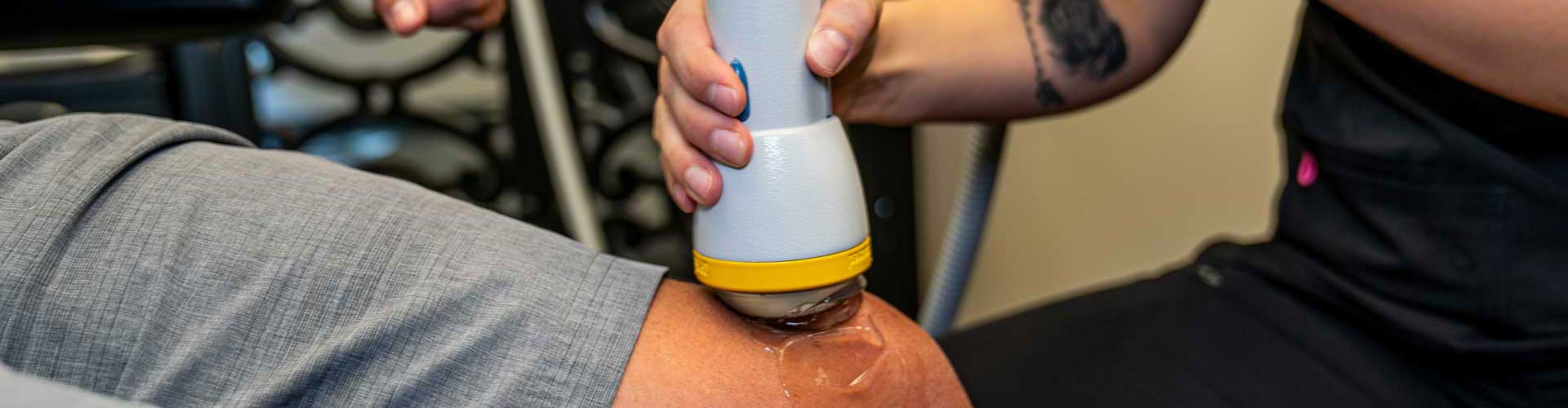
SoftWave TRT uses electrohydraulic technology. A spark generates an acoustic wave, and a patented parabolic reflector shapes it into a broad-focused field. SoftWave is the only broad-focused shockwave system, unlike radial pressure wave devices or electromagnetic and piezoelectric focused units. That broad field reaches the whole joint region rather than one small spot, which matters when pain comes from several structures at once.
In plain language, SoftWave is designed to:
- Activate resident stem cells already present in your tissues so repair can begin.
- Support new blood vessel growth through VEGF and eNOS pathways, improving circulation to joint tissue that winter cold tends to shortchange.
- Encourage rebuilding through PCNA and BMP activity and new collagen production.
- Modulate inflammation, including toll-like receptor regulation, so tissue can move from chronic irritation toward healing.
- Help clear senescent cells, worn-out cells that linger in arthritic joints and keep inflammation going.
SoftWave is FDA-cleared for activation of connective tissue, temporary increase in blood flow, and temporary relief of minor muscle and joint pain, among other uses. It does not regrow a joint or promise specific results, but many patients report less stiffness and easier movement over their treatment series.
What to Expect When You Come In
- A thorough exam and health history with Dr. Sam.
- Sessions of about 10 to 15 minutes with no needles, no drugs, and no downtime.
- A series of visits over several weeks, with healing continuing after treatment ends.
- Chiropractic care and home exercise guidance to keep joints moving well.
Many winter patients also enjoy our Trifecta Red Light bed as a warm, complementary recovery session that supports circulation. Learn more about the patient experience on our Experience Healing page.
When to Call Your Doctor
A joint that becomes suddenly hot, red, and swollen, pain with fever, or pain after a fall or injury should be checked by your physician promptly.
Ready to Stop Letting the Forecast Run Your Life?
You cannot change Rochester weather, but you can change how your joints handle it. Let us help you move through this winter with less stiffness and more confidence.
Book your SoftWave consultation here
Get a Hold of Us
Ready to get to the root of your pain instead of just managing it?
At Camarata Chiropractic & Wellness, we focus on identifying the root cause of dysfunction and helping your body heal through SoftWave Therapy, Red Light Therapy, chiropractic care, recovery strategies, and lifestyle guidance.
Address: 3237 Union St, North Chili, NY 14514
Phone: 585-617-4145
Email: info@camaratachiropractic.com
Website: https://www.camaratachiropractic.com
Facebook: https://www.facebook.com/camaratachiropractic
Instagram: https://www.instagram.com/camarata_chiro/
Schedule Your SoftWave Therapy Visit Here!
Learn about our newest offering and the powers of red light therapy at RedLightRochester.com.
‹ Back

 3237 Union St,