

Blog & Resources
IT Band Syndrome and Outer Knee Pain in Rochester Runners and Cyclists: A SoftWave Approach
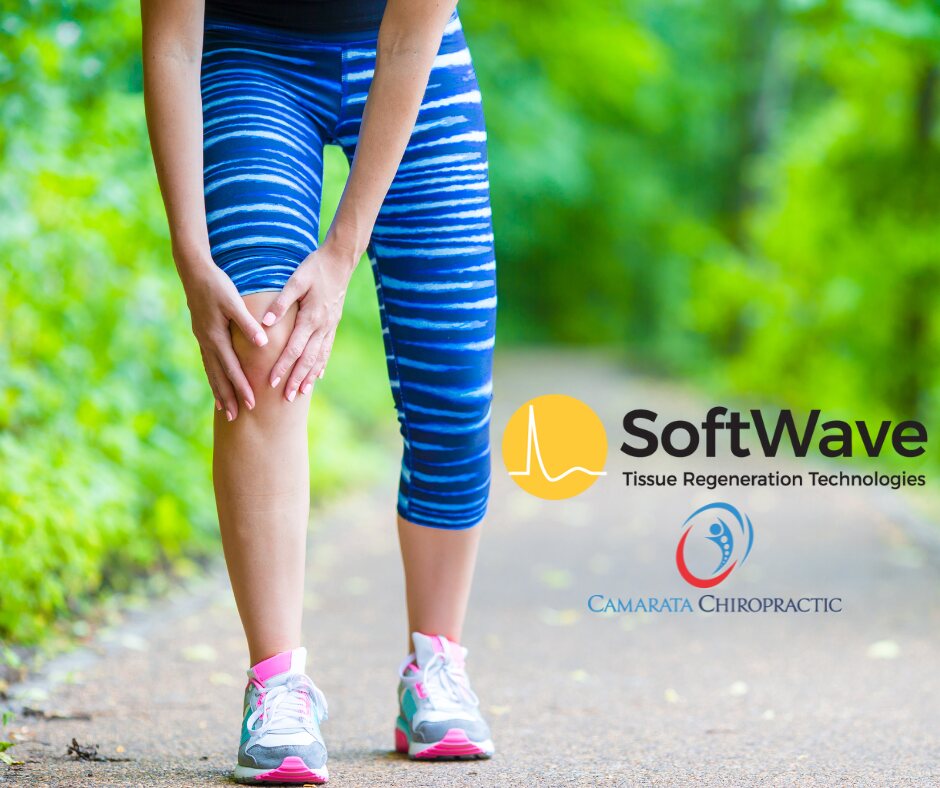
Outer Knee Pain on the Canal Path? It Might Be Your IT Band
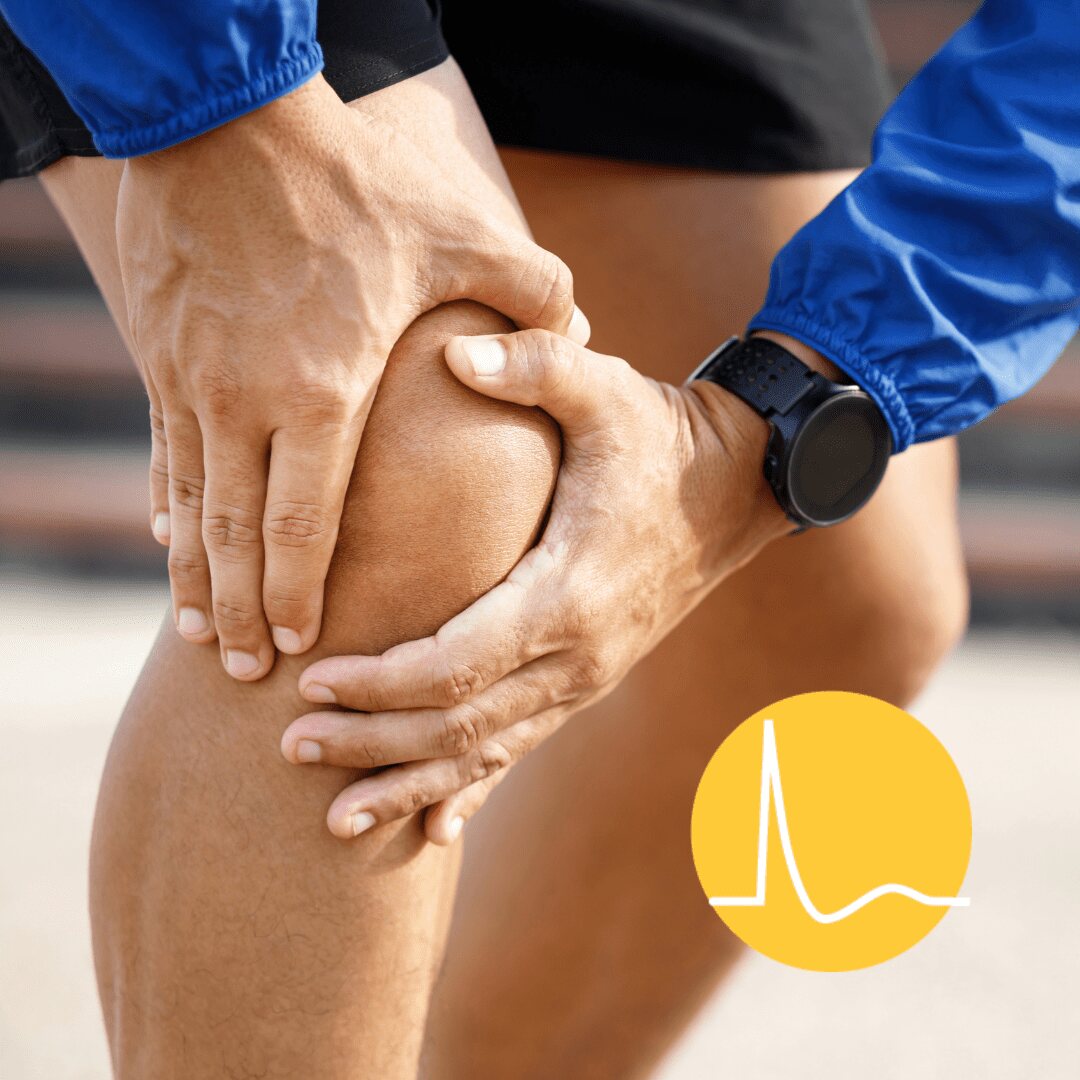
Rochester is a great place to run and ride. The Erie Canal Trail, the Genesee Riverway, Durand Eastman, and the rolling roads out toward the Finger Lakes give runners and cyclists plenty of miles. But for many of them, a sharp or burning pain on the outside of the knee shows up at the same point in every workout and ends the day early. That pattern is the signature of iliotibial band syndrome, often called IT band syndrome or ITBS.
At Camarata Chiropractic & Wellness in North Chili, Dr. Sam Camarata works with endurance athletes who have tried foam rolling, rest, and new shoes and still cannot get past mile four. This article explains what the IT band actually is, why the pain keeps coming back, and how SoftWave Tissue Regeneration Technology (TRT) may help as part of a complete plan.
What the IT Band Is (and Is Not)
The iliotibial band is a long, thick strip of fascia running down the outside of the thigh. It starts near the hip, where it blends with the tensor fasciae latae (TFL) and the gluteus maximus, and attaches just below the knee on the outer shinbone at a spot called Gerdy's tubercle. It helps stabilize the hip and knee every time your foot hits the ground or pushes a pedal.
A common myth is that the IT band is a tight muscle you can stretch or roll longer. It is not a muscle, and it is very stiff by design. Current thinking is that ITBS pain comes from compression and irritation of the sensitive, fatty, nerve-rich tissue between the band and the outer bump of the thighbone (the lateral femoral epicondyle). That tissue gets squeezed repeatedly when the knee is bent around 20 to 30 degrees, which is right where runners land and where cyclists spend much of each pedal stroke.
Who Gets IT Band Syndrome
- Distance runners, especially those ramping up mileage for a fall half marathon or the spring racing season.
- Cyclists with a saddle set too high or too low, or cleats that turn the foot inward.
- Trail and hill runners, since long downhills increase the time spent in that sensitive knee angle.
- Runners on cambered roads, where one leg is always slightly downhill.
- Anyone with weak hip stabilizers, particularly the gluteus medius, which lets the knee drift inward and increases load on the outer knee.
The Typical Symptoms
ITBS has a recognizable feel. Pain sits on the outside of the knee, just above the joint line, and often starts at a predictable time or distance into a run or ride. It may begin as tightness and build into a sharp, stabbing pain that forces you to stop. Walking downstairs or downhill is often worse than going up. Some people feel a snapping or rubbing sensation, and tenderness may extend up the outer thigh toward the hip. Between workouts the knee may feel almost normal, which is part of what makes the problem so frustrating.
Why It Keeps Coming Back
Most people with ITBS do the logical thing: they rest, the pain fades, they return to training, and the pain returns at the same mile marker. Rest calms the irritation but does not change the underlying tissue or the mechanics that caused it. Over time, the area under the band can become chronically sensitized, with lingering inflammation, reduced blood flow, and protective tension in the TFL and glutes. Each flare makes the next one easier to trigger.
Conventional Options and Their Limits
- Foam rolling may feel good and help the surrounding muscles relax, but it will not lengthen the band itself.
- Rest and ice can calm a flare but rarely solve a recurring one.
- Hip strengthening is one of the most important long-term pieces, though it takes weeks to build.
- Bike fit and gait changes can reduce stress at the knee and are worth doing.
- Cortisone injections may quiet pain short term, but they do not address the tissue or the cause and are not something most athletes want to repeat.
- Surgery is reserved for rare, stubborn cases.
The missing piece for many athletes is something that actively supports healing in the irritated tissue while they correct their mechanics.
What Our Rochester Patients Are Saying
Real reviews from real SoftWave patients at Camarata Chiropractic & Wellness
How SoftWave Helps the Outer Knee
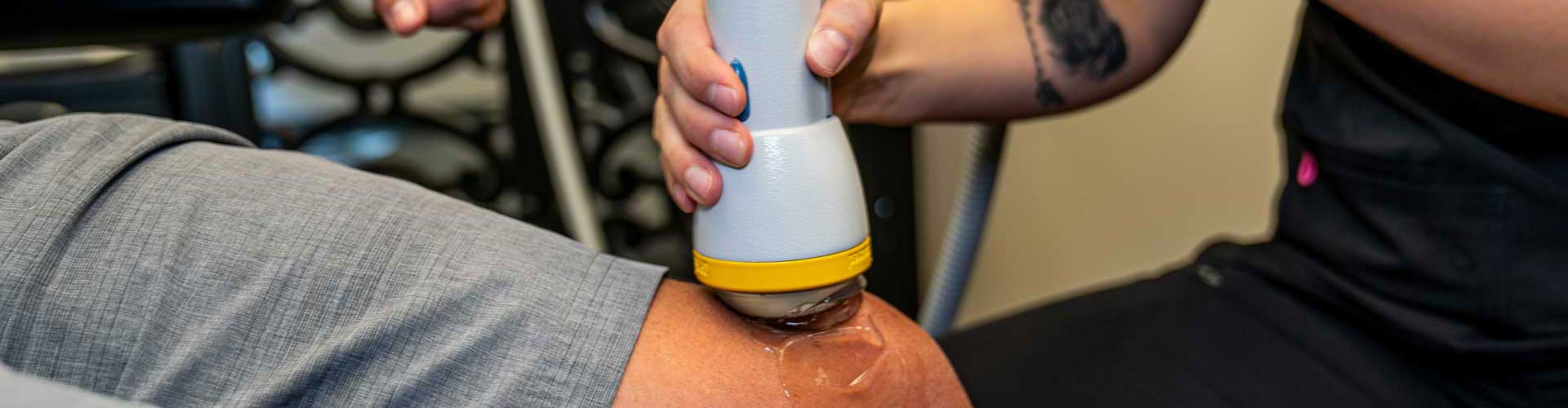
SoftWave uses electrohydraulic technology: a spark inside the applicator creates an acoustic wave, and a patented parabolic reflector shapes it into a broad-focused wave. It is the only broad-focused shockwave technology, which means it can treat a wide, deep area along the band, the knee, and the hip rather than a single small point or just the surface, as with radial devices.
In plain language, SoftWave is designed to:
- Activate resident stem cells already present in the tissue so they begin repair.
- Increase blood flow and support angiogenesis through VEGF and eNOS pathways, bringing oxygen and nutrients to an area that tends to stay irritated.
- Support cell proliferation and collagen through signals like PCNA and BMP, helping fascia and tendon tissue remodel in a healthier way.
- Modulate inflammation through toll-like receptor regulation, helping the area move from a stuck, irritated state toward resolution.
- Clear senescent cells that can hold healing back.
If the outside of your knee is cutting your runs or rides short, book a SoftWave evaluation with Dr. Sam and let us find out what is driving it.
Because the treatment field is broad, Dr. Sam can address the outer knee, the length of the band, and the TFL and gluteal tissue near the hip in the same visit. SoftWave is FDA-cleared for activation of connective tissue, temporary increase in blood flow, and temporary relief of minor muscle and joint pain, among other uses.
What to Expect at Camarata Chiropractic & Wellness
Your first visit starts with an evaluation of the knee, the hip, the pelvis, and the low back, plus a conversation about your mileage, terrain, shoes, and bike setup. ITBS rarely lives only at the knee, so chiropractic care for pelvic and lumbar mechanics often plays a role.
SoftWave sessions take about 10 to 15 minutes. There are no needles, no medications, and no downtime, so many athletes keep doing modified training. Most people complete a series over several weeks, and because SoftWave is designed to start a healing response, improvement can continue after the last session. Many patients report that runs feel easier early in the series. We pair treatment with a gradual return plan and hip strengthening so the problem is less likely to return. Some athletes also add the Trifecta full-body Red Light Therapy bed after hard sessions for general recovery support.
Training Tips While You Heal
- Cut back on long downhills and cambered roads for a few weeks.
- Shorten your stride slightly and increase cadence.
- Check saddle height and cleat position on the bike.
- Add side planks, clamshells, and single-leg work for the glutes.
When Outer Knee Pain Is Something Else
Not every outer knee pain is the IT band. Lateral meniscus tears, LCL sprains, and arthritis can feel similar. Get evaluated promptly if your knee swells significantly, locks or gives way, cannot bear weight, was injured by a twist or impact, or is red, hot, and accompanied by fever. SoftWave is not a substitute for medical care in those situations.
Ready to Get Back to Your Full Miles?
Whether you are training for a fall race or just want to ride the canal path again without stopping, we would love to help you get there.
Book your SoftWave consultation here
Learn more: SoftWave Therapy for Knee Pain in Rochester, NY
Get a Hold of Us
Ready to get to the root of your pain instead of just managing it?
At Camarata Chiropractic & Wellness, we focus on identifying the root cause of dysfunction and helping your body heal through SoftWave Therapy, Red Light Therapy, chiropractic care, recovery strategies, and lifestyle guidance.
Address: 3237 Union St, North Chili, NY 14514
Phone: 585-617-4145
Email: info@camaratachiropractic.com
Website: https://www.camaratachiropractic.com
Facebook: https://www.facebook.com/camaratachiropractic
Instagram: https://www.instagram.com/camarata_chiro/
Schedule Your SoftWave Therapy Visit Here!
Learn about our newest offering and the powers of red light therapy at RedLightRochester.com.
‹ Back

 3237 Union St,